Resource Allocation Models Supporting Consistent Results Across Diverse Sports Betting Categories
Amir Keller · Jun 25, 2026
Resource Allocation Models Supporting Consistent Results Across Diverse Sports Betting Categories
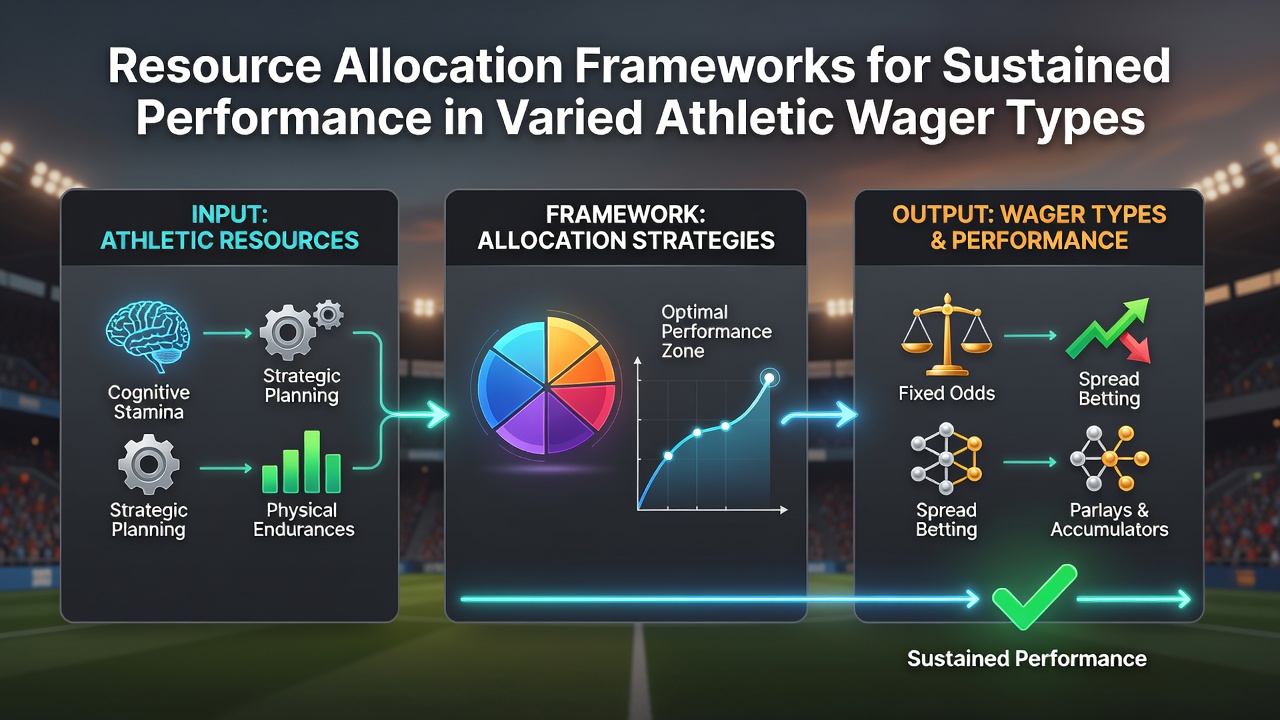
Resource allocation frameworks in athletic wagering have gained attention from analysts and operators who track how funds, time and analytical tools get distributed among bet types such as singles, accumulators, live wagers and prop bets, and observers note that these models aim to maintain performance levels even when market conditions shift rapidly. Data from multiple jurisdictions shows operators and serious participants applying structured approaches that separate capital into segments dedicated to specific sports and wager formats, which allows adjustments based on volatility patterns observed in football matches, tennis rallies and horse racing fields.
Studies conducted by university research teams in North America and Europe have examined how capital gets divided when participants engage with varied athletic events, and findings indicate that frameworks often allocate 40 to 60 percent of available resources to lower-volatility single bets while reserving smaller portions for accumulator structures that carry higher payout potential yet greater risk exposure. These divisions become particularly relevant during peak seasons such as the June 2026 international football tournaments when market liquidity increases and odds movements accelerate across multiple platforms.
Capital Segmentation Practices in Multi-Sport Environments
Industry reports reveal that participants who maintain separate pools for different wager categories tend to experience steadier outcome distributions over extended periods, and this pattern holds across football accumulators, tennis set betting and horse racing win markets. Researchers at institutions including the University of Nevada, Las Vegas have documented that clear segmentation reduces the impact of consecutive losses in one category from affecting capital reserved for others, while data from the Australian Gambling Research Centre supports similar conclusions when examining cross-sport participation records.
Allocation models frequently incorporate dynamic rebalancing rules that trigger when certain thresholds are reached, such as when a live betting segment exceeds its preset percentage during in-play tennis or basketball events, and these rules draw from historical variance statistics collected over multiple seasons. Operators in several regions have adopted comparable internal systems to manage promotional credit distribution, which mirrors the private frameworks used by individual participants who track performance across wager types.
Time and Analytical Resource Distribution
Beyond monetary capital, frameworks also address how time gets allocated for research and monitoring across different athletic wager formats, and evidence from academic papers shows that participants who dedicate fixed intervals to each sport category maintain more consistent decision quality. For instance, one study tracked participants who spent 30 percent of their preparation time on football data, 25 percent on tennis statistics and the remainder split between horse racing form analysis and live market observation, resulting in more balanced engagement patterns.
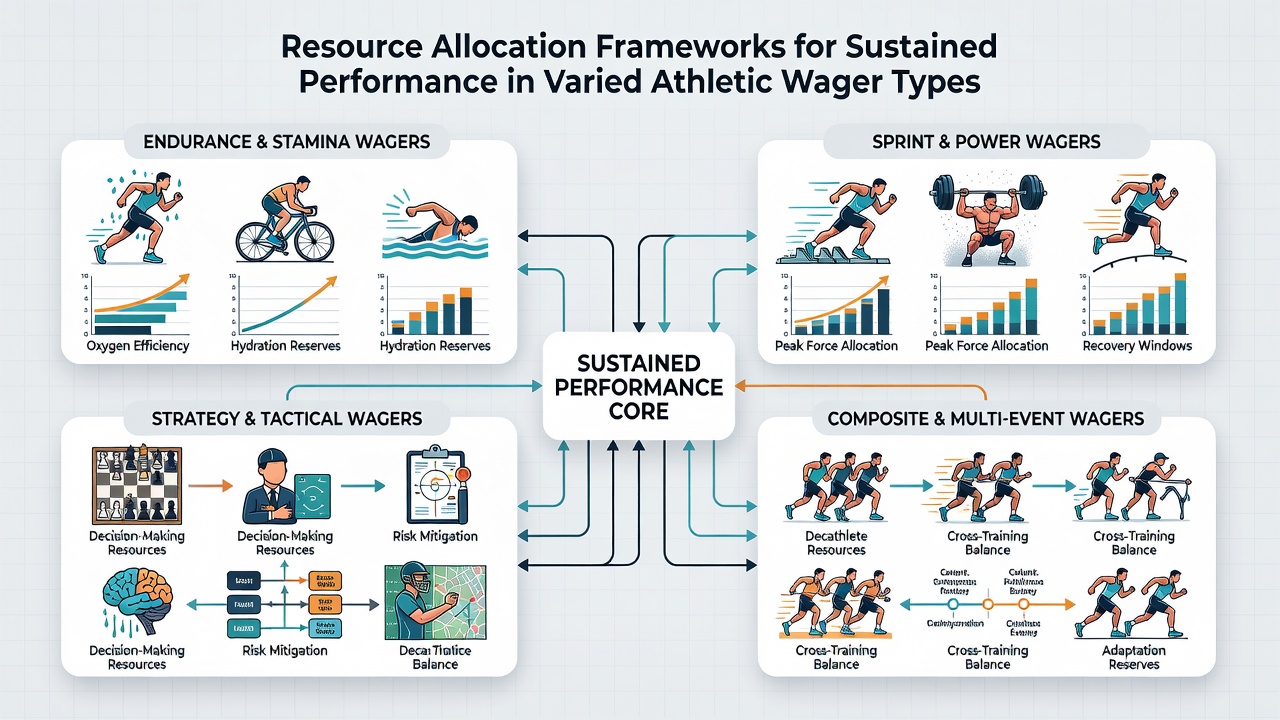
Analytical tools receive similar treatment in these models, with software subscriptions and data feeds assigned according to the wager types most frequently used, and this prevents over-concentration on a single sport during periods when other markets offer better liquidity. Reports compiled by the Canadian Centre for Gaming Research highlight that participants following such structured time allocations recorded fewer impulsive decisions during high-volume periods such as the June 2026 racing festivals.
Adaptation Mechanisms During Market Fluctuations
Frameworks include built-in review cycles that occur weekly or monthly, allowing adjustments to allocation percentages based on recent performance data from each wager category, and this iterative process has been observed in both professional syndicates and individual participants who maintain detailed records. When certain athletic events produce unexpected variance, such as extended tennis matches or weather-affected horse races, the models permit temporary shifts without disrupting the overall structure.
External sources including reports from the European Gaming and Betting Association indicate that operators applying parallel resource frameworks to their risk management divisions achieved more stable margins across product lines throughout 2025 and into mid-2026. These same principles appear in participant-level applications where performance tracking software automatically flags when one wager type begins consuming disproportionate resources.
Conclusion
Resource allocation frameworks continue to evolve as data collection improves and more athletic wager types enter mainstream markets, and current evidence points to structured segmentation of capital, time and analytical effort as a common approach among those seeking sustained engagement across football, tennis, horse racing and other sports. Figures from multiple research bodies show these models gaining traction particularly during concentrated event periods, with participants and operators alike refining their methods based on observed outcome distributions rather than single-event results. As regulatory environments and market technologies develop further, the core principles of balanced distribution remain central to frameworks designed for long-term consistency across varied athletic betting categories.