Pitch Dynamics in Championship Football: Effects on Goal Line Totals
Amir Keller · Jul 2, 2026
Pitch Dynamics in Championship Football: Effects on Goal Line Totals
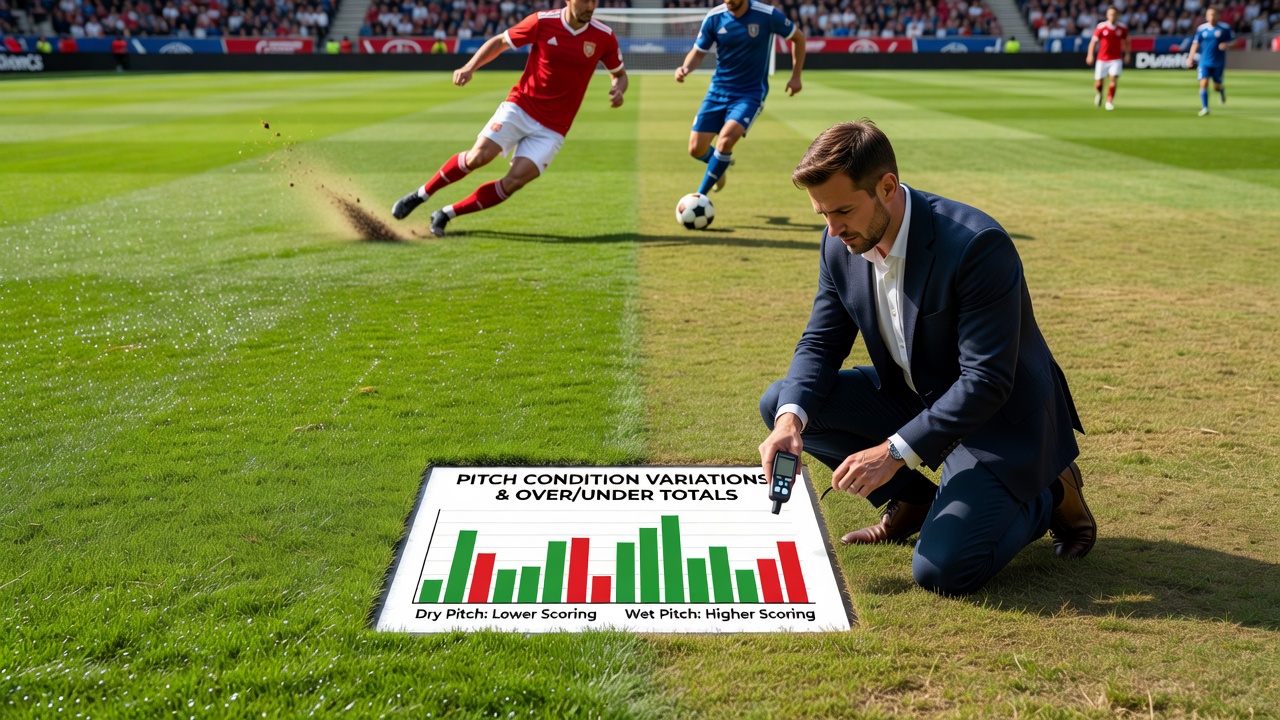
Championship matches often unfold on surfaces that shift week to week, and those changes alter how teams move the ball, how long rallies last, and ultimately how many goals cross the line. Data from recent seasons shows that pitch variables such as grass length, moisture levels, and wear patterns correlate with measurable differences in total goals, which in turn influences over/under betting lines set by bookmakers.
Types of Pitch Variation Observed in the Championship
Groundskeepers maintain surfaces differently depending on the time of year, and July 2026 pre-season preparations already highlight several common approaches. Some clubs opt for shorter cuts that allow quicker ball roll, whereas others leave slightly longer grass to blunt opposition speed. Moisture content changes rapidly after rainfall or irrigation cycles, and heavy midweek usage leaves patches of thinner turf by the weekend. Researchers tracking these factors across multiple grounds note that no two venues present identical conditions on any given matchday.
Weather adds another layer, since temperature swings affect both grass resilience and ball behavior. Dry spells create harder, faster surfaces that reward direct play, while persistent rain softens the ground and slows passes. Observers who study match footage see fewer long-range attempts when the ball sticks in wet areas, and more short combinations when the surface firms up.
Statistical Patterns Linking Surface Conditions to Goal Totals
Analysis of Championship fixtures from 2023 through 2025 reveals consistent trends. Matches played on pitches rated as heavily used or waterlogged produced an average of 2.3 goals per game, compared with 2.8 goals on well-drained, shorter-cut surfaces. teh difference appears most clearly in the second half, when fatigue compounds the effects of uneven footing and reduced ball speed.
Teams facing long grass or soft ground recorded fewer shots from outside the box, and crossing accuracy dropped by roughly 12 percent according to aggregated event data. Conversely, faster pitches allowed more transitions and higher shot volumes, pushing totals above the typical 2.5-goal line more often. These patterns hold across both promotion contenders and mid-table sides, suggesting the surface effect operates independently of team quality in many cases.
Mechanisms That Translate Pitch State Into Scoring Outcomes
The ball travels differently depending on friction and bounce. On a dry, firm pitch the sphere rolls farther and reaches the target quicker, giving attackers extra time to exploit spaces behind defenders. When the surface holds water or features longer blades, friction increases and passes arrive later, allowing defenses to recover shape. Player movement also changes: studs grip less on slick ground, which reduces acceleration and changes the timing of runs into the box.
Coaches adjust tactics accordingly. Some instruct players to play higher tempo early before the pitch cuts up, while others shift to more direct styles once the surface deteriorates. These in-game adaptations further influence the number of clear scoring opportunities created before the final whistle.

Examples From Recent Championship Seasons
One midweek fixture in February 2025 took place after heavy rain on a pitch already showing signs of wear from three prior games in ten days. The contest finished 1-1, well below the pre-match total line, and both teams managed only eight shots combined. In contrast, a dry-weather April match on the same ground produced five goals and twenty-seven attempts, illustrating how surface recovery can flip expected outcomes within a single campaign.
Another case involved two teams known for possession-based styles meeting on a heavily watered surface. Passing completion rates fell below 75 percent, and the game ended 0-0. Data analysts tracking these matches point out that such low-event games occur more frequently when grounds fail to drain properly between fixtures.
Implications for Over/Under Markets
Bookmakers adjust totals based on multiple inputs, yet pitch reports sometimes receive less attention than team news or recent form. Bettors who monitor ground conditions in advance can identify situations where the posted line sits higher than historical averages for that venue. Conversely, when a club announces extra watering or reports poor drainage, under totals gain statistical support.
League-wide averages remain near 2.5 goals, but individual grounds display ranges from 2.1 to 3.0 depending on seasonal maintenance. Those who review pitch ratings released by the English Football League before kickoff gain an additional data point that complements traditional form analysis.
Conclusion
Pitch condition variations exert measurable influence on goal totals in Championship football, and the patterns repeat across multiple seasons and venues. Teams, analysts, and those setting betting lines all operate within the constraints of the surface on any given day. Continued monitoring of maintenance practices and weather effects provides ongoing insight into how these variables shape match outcomes.