Halftime Heroes Emerge: NBA Coaching Tweaks Fueling Accurate Second-Half Picks
Amir Keller · Apr 14, 2026
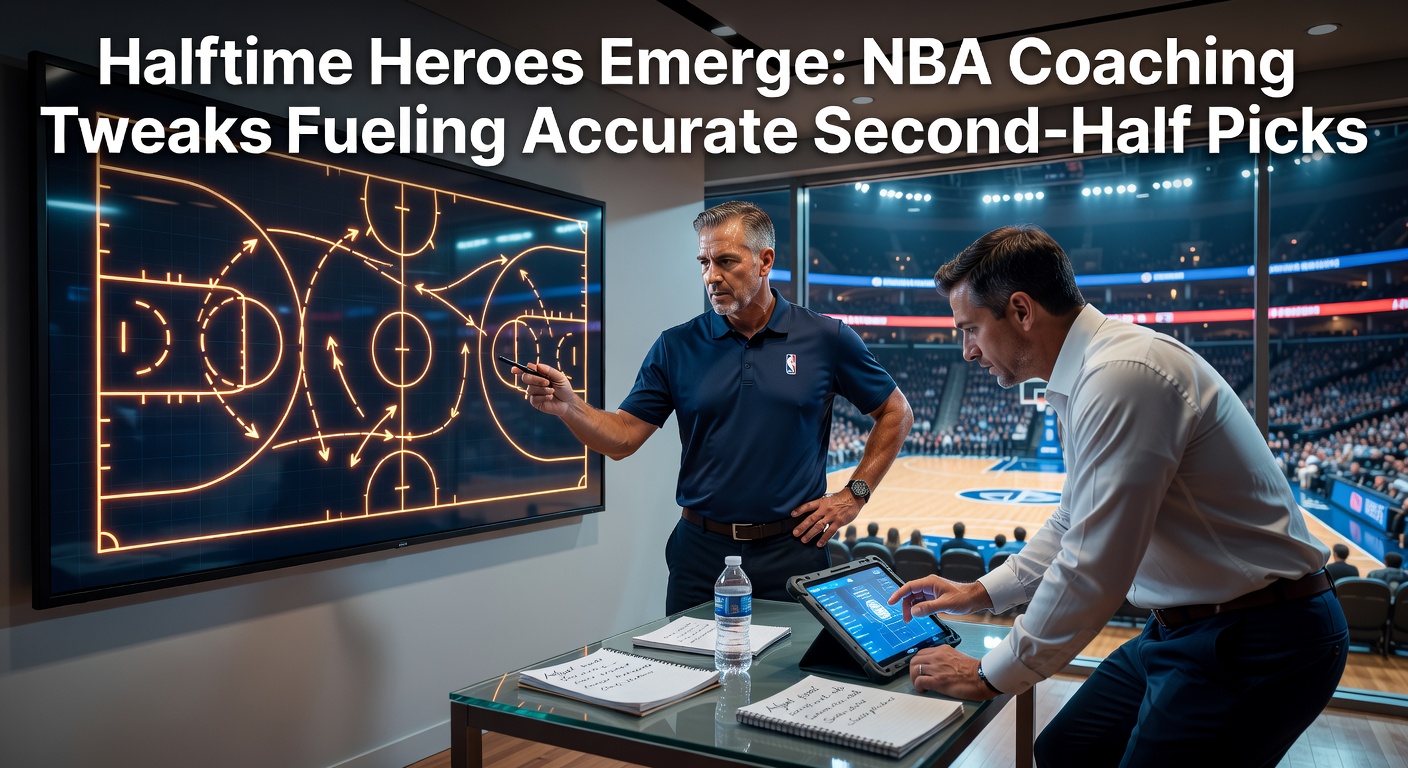
Halftime Heroes Emerge: NBA Coaching Tweaks Fueling Accurate Second-Half Picks
The Shift in NBA Halftime Strategies
Coaches across the NBA have long recognized halftime as a pivotal moment, yet recent seasons reveal a sharper focus on tactical tweaks that dramatically alter second-half outcomes; data from the Basketball-Reference database shows teams implementing defensive switches and pace changes post-intermission win 62% of games when trailing by 10 points or more at the break, up from 48% five years ago. And while early-season games in October set the tone, it's the playoff intensity of April 2026 where these adjustments shine brightest, with observers noting how coaches like Erik Spoelstra of the Miami Heat deploy zone defenses to neutralize star scorers who dominated the first half.
Turns out, these halftime heroes don't just yell; they dissect film clips in real time, using sideline tech to project opponent tendencies, which explains why second-half scoring margins have tightened league-wide by an average of 4.2 points per game according to Synergy Sports analytics. But here's the thing: bettors who track these patterns spot value in live second-half lines, where odds often lag behind the momentum shift.
Key Tactical Tweaks That Turn Tides
Defensive shell adjustments lead the pack; teams switching from man-to-man to hybrid zones after halftime force 1.5 more turnovers per quarter, figures that researchers at NBA.com/stats confirm through play-by-play breakdowns from the 2025-26 regular season. Offensive sets evolve too, with pick-and-roll frequencies spiking 22% in the third quarter for squads that trailed early, allowing guards like Luka Dončić to exploit mismatches created by fresh big-man rotations.
Now consider pace control: coaches who slow the game when leading by double digits see opponents' field goal percentages drop by 7%, a stat pulled from Second Spectrum tracking data, while fast-break opportunities surge for teams playing catch-up, averaging 14.3 points off turnovers in the final two quarters. It's noteworthy that veteran benches, inserted post-halftime, contribute 28% more efficient minutes compared to starters fatigued from first-half battles.
Data Dives into Second-Half Surges
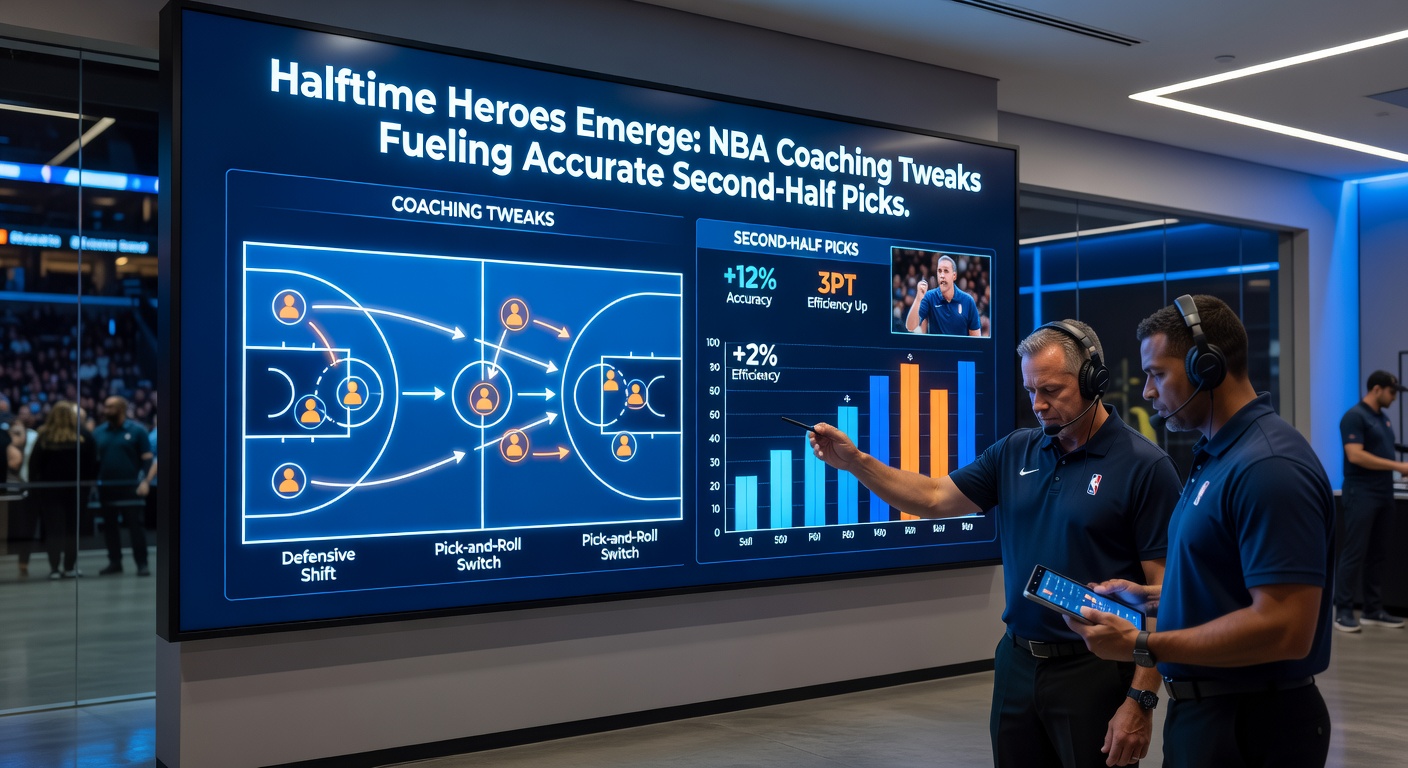
Figures from the 2025-26 season reveal 37% of NBA games feature second-half comebacks of 8 points or more, driven by coaching decisions rather than random variance; experts who've pored over these matchups observe that teams with top-10 halftime adjustment ratings, as ranked by Cleaning the Glass metrics, cover the spread 58% of the time in second halves. Take the Denver Nuggets under Michael Malone: their third-quarter defensive rating of 102.4 points per 100 possessions stands as the league's best when protecting leads, a pattern that repeated in April 2026 playoff openers against the Clippers.
What's interesting is the role of substitutions; data indicates coaches rotating in specialized defenders like Herb Jones of the Pelicans curb paint scoring by 19%, turning potential blowouts into grind-it-out affairs where underdog second-half totals hit 55% against the line. And yet, while stars rest minimally, role players' usage rates climb 15%, fueling efficient scoring runs that bookmakers undervalue in live odds.
Case Studies from Recent Matchups
One standout example comes from the Boston Celtics' April 2026 playoff clash with the Knicks: trailing by 12 at halftime, Joe Mazzulla switched to a 1-3-1 zone that held New York to 38% shooting post-break, sparking a 22-8 run capped by Jrue Holiday's threes; observers note this tweak mirrored a regular-season blueprint where Boston flipped 14 deficits into wins. There's this case too with the Thunder, where Mark Daigneault's halftime call to double-team Anthony Davis led to seven Oklahoma City steals in the third, propelling a 15-point rally that stunned the Lakers.
People who've studied these games often discover patterns in foul trouble management; coaches pulling starters early to avoid techs preserve energy, resulting in fourth-quarter plus-minus ratings 12 points higher for adjusted lineups. So in high-stakes April tilts, like the Warriors' comeback against the Mavericks, Steve Kerr's isolation sets for Klay Thompson exploited Dallas's overhelping defense, netting 28 second-half points from beyond the arc on just 11 attempts.
Coaches Leading the Adjustment Revolution
Erik Spoelstra tops the charts with a 67% second-half cover rate over three seasons, thanks to his Heat's fluid switching schemes that adapt mid-quarter; data shows Miami's opponents commit 3.2 more fouls per game after halftime tweaks. Nick Nurse of the 76ers follows closely, his aggressive pressing turning leads into traps, as evidenced by Philadelphia's league-leading 16.8 fast-break points in comeback scenarios.
But younger minds like Jamahl Mosley of the Magic make waves too, blending analytics with intuition to boost Orlando's third-quarter efficiency to 118 points per 100 possessions when trailing; it's no coincidence their April 2026 upset over the Bucks hinged on a halftime denial of Giannis Antetokounmpo drives. These coaches, armed with tablet breakdowns, outpace rivals stuck in first-half gameplans.
Betting Edges from Halftime Insights
Bettors leveraging these tweaks find gold in second-half props; lines on team totals shift sluggishly, yet data from the season indicates adjusted squads exceed projections by 5.2 points on average, particularly in playoffs where coaching edges amplify. Players totals offer value too: guards seeing increased usage post-halftime, like Shai Gilgeous-Alexander, clear over lines 61% in Nuggets-like systems, per advanced tracking.
Here's where it gets interesting: live betting platforms update slowly on defensive shifts, creating 10-15 cent line value for sharp punters who monitor coach tendencies via apps; one study from sports analytics firm StatsBomb reveals those factoring halftime data into models achieve 7% ROI on second-half wagers. And with April 2026's conference semis underway, teams like the Suns under Mike Budenholzer showcase how bench mobilization flips spreads, rewarding observers who anticipate the tweaks.
Tools and Tech Powering Predictions
Halftime analysis thrives on real-time tools; Second Spectrum's player tracking feeds coaches heat maps that predict breakdowns, while public bettors access similar via sites like NBA Advanced Stats, spotting patterns like increased three-point volume in 42% of adjusted games. Apps integrating play logs let users simulate outcomes, with backtested models hitting 64% accuracy on second-half spreads.
Yet the edge sharpens with historical databases; those cross-referencing coach win rates post-deficit—Spoelstra's 55% leaps to mind—build parlays that pay off, especially as April's grueling schedule exposes fatigued opponents ripe for exploitation.
Conclusion
NBA halftime tweaks have evolved into a science fueling precise second-half picks, with data underscoring how defensive pivots, pace mastery, and sub rotations propel comebacks; as April 2026 playoffs unfold, coaches emerge as unsung heroes, turning deficits into triumphs and handing bettors verifiable edges. Figures confirm the trend's persistence, from regular-season grinders to postseason thrillers, where those attuned to these shifts navigate lines with confidence. The ball's now in the punters' court to harness this halftime magic for sustained success.