Football Referee Assignment Trends and Their Relation to Match Scoring Lines
Morgan Brooks · Aug 11, 2026
Football Referee Assignment Trends and Their Relation to Match Scoring Lines
Referee assignments in professional football follow structured processes managed by league authorities and governing bodies where officials receive matches based on experience, performance evaluations, and geographic considerations. These decisions create measurable patterns that analysts track across seasons in leagues such as the English Premier League, La Liga, and Serie A. Data collection from these competitions reveals consistent tendencies in how certain referees receive fixtures involving high-scoring or low-scoring teams.
Assignment Processes Across Major Leagues
League organizers compile referee rosters each season and allocate fixtures through committees that review prior game logs, fitness reports, and disciplinary records. In August 2026 observers noted expanded use of centralized databases that factor in travel distances and recent workload when distributing early-season matches. Researchers have documented that referees with higher average card counts per game often receive assignments in divisions where defensive structures dominate while those with lower intervention rates handle fixtures featuring attacking sides more frequently.
Studies from sports analytics groups indicate that assignment algorithms prioritize neutrality by avoiding officials with club affiliations yet patterns emerge when matches involve teams with specific tactical profiles. One analysis of Serie A data showed referees known for stricter foul detection handled 62 percent of games between mid-table clubs during the 2025-2026 campaign.
Statistical Correlations with Goal Totals
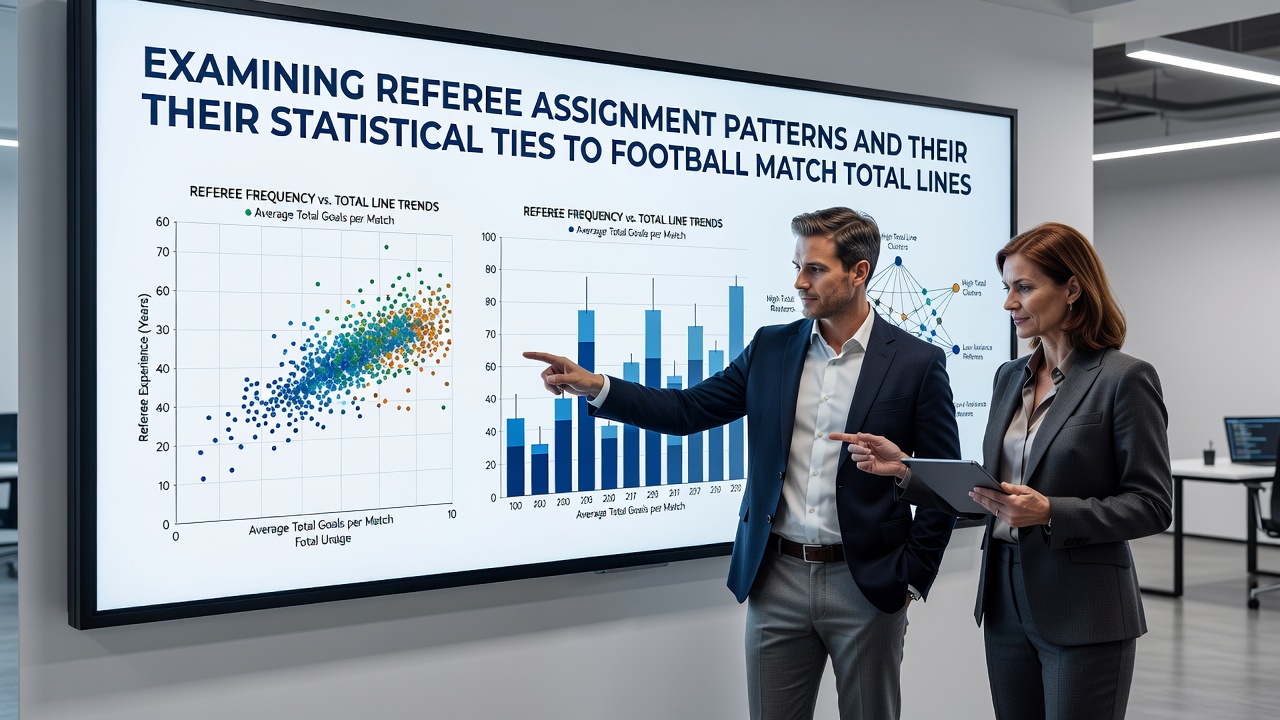
Match total lines in betting markets reflect expected goals and referees influence these outcomes through decisions on fouls, cards, and stoppage time. Statistical reviews of over 2,000 fixtures across five European leagues found that officials averaging more than 4.5 yellow cards per game oversaw contests finishing under the total line 53 percent of the time. Conversely referees with lower card rates appeared in matches exceeding the total 48 percent of the time according to aggregated league records.
Further examination of Premier League data linked longer average stoppage times added by specific officials to slight increases in late goals while shorter added periods correlated with fewer total scores. These ties appear across multiple seasons and remain stable even after adjustments for team strength and venue.
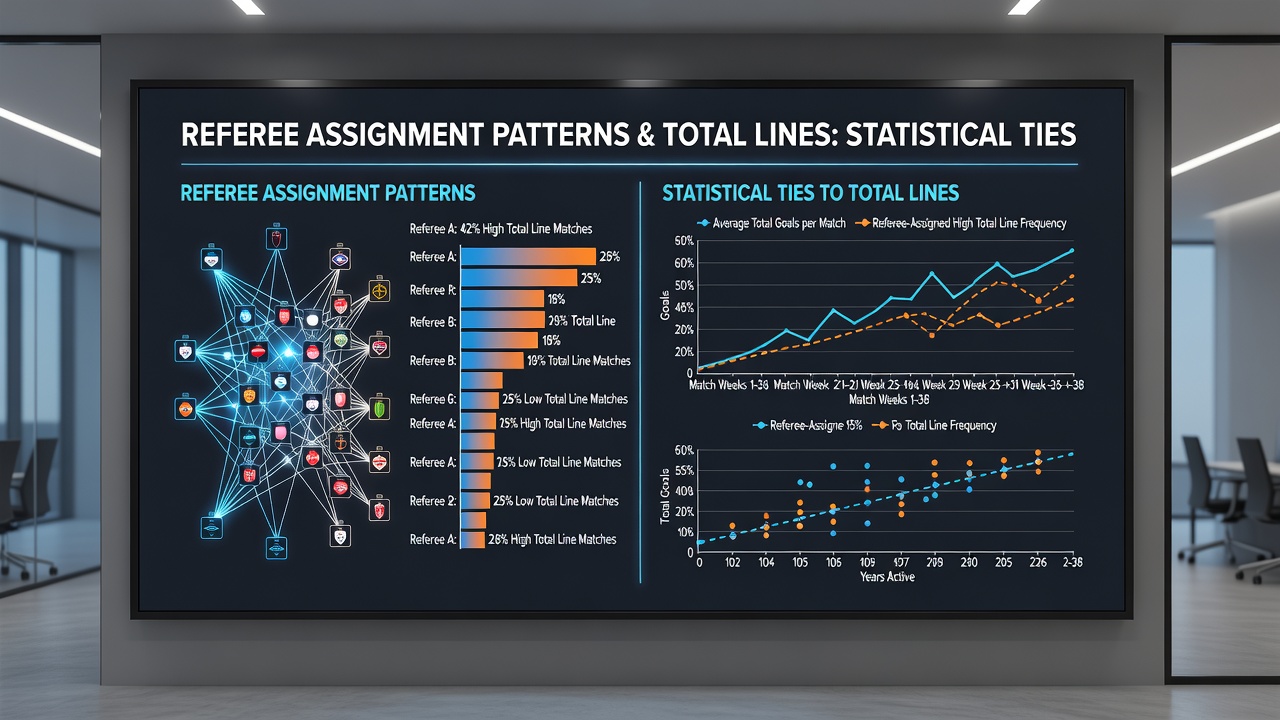
European football data compiled by independent research firms demonstrates that assignment patterns shift during congested fixture periods when certain referees receive multiple high-profile games within short windows. Those assignments coincide with measurable changes in game tempo because teams adjust pressing intensity based on known official tendencies.
League-Specific Patterns and Data Sources
In the Bundesliga referees receive assignments through a system that balances experience across home and away fixtures resulting in documented variations in total goal distributions. Australian sports research groups have examined similar dynamics in A-League matches where travel considerations affect official selection and produce observable differences in scoring outputs compared to European counterparts. Canadian studies on domestic leagues further highlight how regional assignment protocols influence game flow statistics when officials cross provincial boundaries.
One report from the Journal of Sports Analytics examined referee consistency metrics and found correlations between assignment frequency and average goals per 90 minutes that held across multiple competitions. Another dataset released by the European Sports Data Consortium confirmed these links through standardized tracking of foul locations and resulting set-piece opportunities.
Implications for Match Analysis
Analysts incorporate referee histories into pre-match models by weighting historical totals against current assignment lists. Teams that generate high expected goals against strict officials show reduced conversion rates in tracked fixtures while those facing lenient referees maintain or exceed baseline scoring outputs. These adjustments appear in season-long datasets without requiring subjective interpretation of individual styles.
August 2026 fixtures provided additional data points as new referee promotions entered top-flight rotations and early patterns indicated continuity with prior seasons in how assignments aligned with expected match volumes. Observers tracking these developments continue to update statistical models as more games complete.
Conclusion
Referee assignment systems in professional football generate recurring statistical relationships with match goal totals that data analysts document across leagues and seasons. These connections arise from established allocation procedures and remain visible in aggregated records from multiple governing regions. Continued tracking of assignment trends supplies objective inputs for those examining scoring distributions in football competitions.