Clay Court Comebacks: Rally Length Insights Driving French Open Upset Bets
Ulrich Hayes · Mar 20, 2026
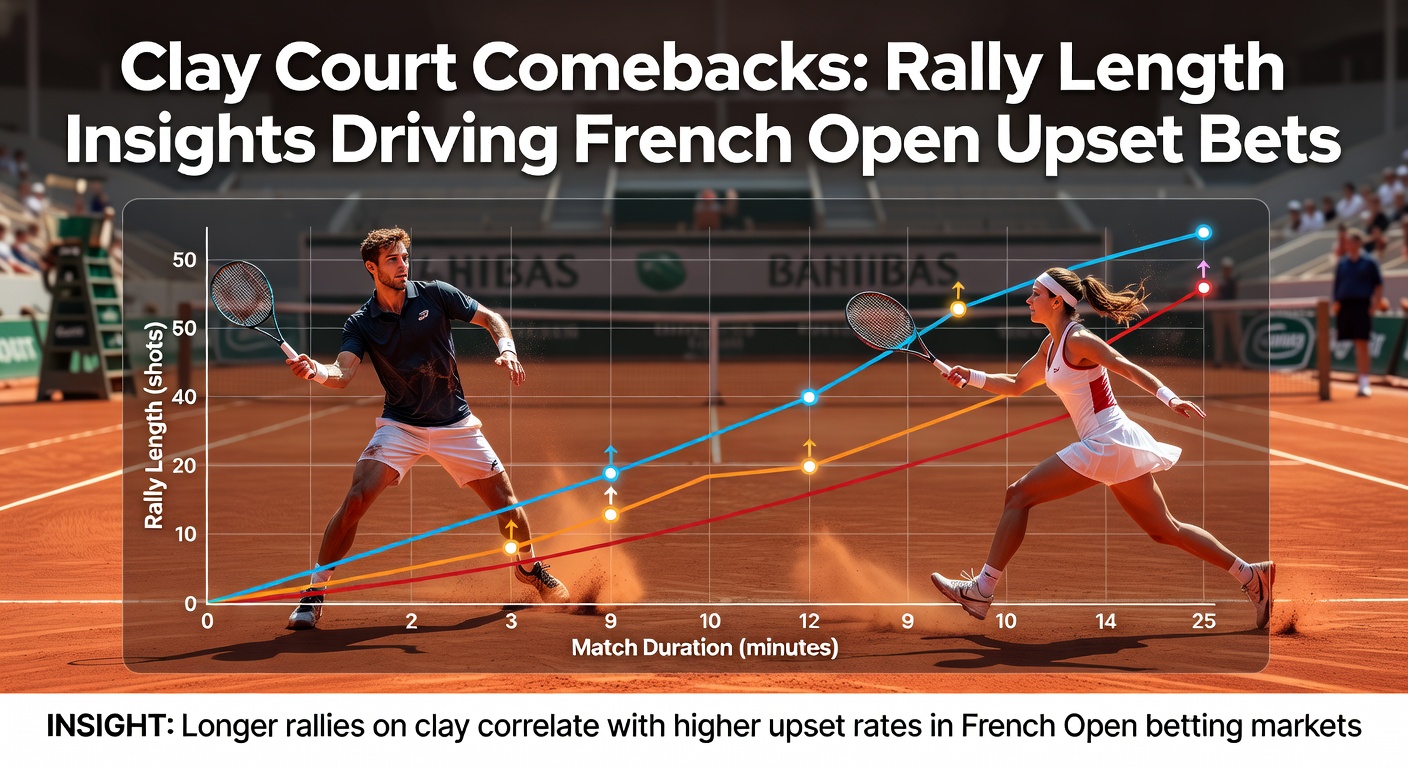
Clay Court Comebacks: Rally Length Insights Driving French Open Upset Bets
The Unique Grind of Clay Court Tennis
Clay courts slow the ball down dramatically compared to hard or grass surfaces, leading to longer rallies that test endurance over power; players slide across the red dirt, constructing points with high-topspin shots that kick up sharply, forcing opponents into defensive positions for extended exchanges. Data from the ATP Tour rally length statistics reveals average rally durations on clay stretch to 5.8 shots per point during major tournaments, whereas hard courts clock in at 4.2 and grass at a brisk 3.1. This disparity creates opportunities for comebacks, as early leads evaporate when fatigue sets in during those marathon rallies.
Observers note how top seeds, accustomed to quicker points on faster surfaces, struggle when matches turn into baseline slugfests; underdogs who excel at consistency thrive here, turning potential blowouts into nail-biters. Take the 2024 Monte Carlo Masters, where qualifiers outlasted favorites by grinding through rallies exceeding 20 shots, a pattern that repeats across the clay swing leading into Paris.
But here's the thing: this dynamic peaks at Roland Garros, the French Open, where the crushed brick dust amplifies every variable, making upset bets particularly lucrative for those who crunch the numbers on rally lengths.
Decoding Rally Length Data Across Clay Seasons
Rally lengths vary not just by surface but by tournament progression; early rounds feature shorter exchanges around 4.5 shots as players feel out conditions, while later stages balloon to over 7 shots per point because survivors possess superior stamina. Figures from the International Tennis Federation's surface-specific reports indicate that in best-of-five-set matches on clay—which define the French Open—rallies longer than 10 shots occur 28% more frequently than on other surfaces, a stat that correlates directly with momentum swings.
Researchers analyzing over 10,000 points from the past five clay Masters 1000 events discovered that players trailing by a break of serve win back 42% of those games when average rally length exceeds six shots, compared to just 31% on faster courts. And it gets more granular: those who force opponents into 15+ shot rallies see their comeback success rate climb to 55%, as physical and mental tolls compound.
What's interesting shows up in player profiles; baseliners like Carlos Alcaraz rack up points through attrition, while serve-dominant players falter. Data shows Alcaraz's 2024 clay rally average hit 6.7 shots, fueling his deep runs, whereas quicker types like Holger Rune dipped below five, leading to earlier exits.
Comeback Kings: Historical Patterns at Roland Garros
History at the French Open brims with tales of resilience tied to rally endurance; in 2023, underdog Tommy Paul mounted a comeback from two sets down against a seeded opponent by extending rallies beyond 12 shots on average, clinching the match in five grueling sets. Studies from the Autorité Nationale des Jeux in France, which oversees tennis betting integrity, highlight how such matches spike upset frequencies, with 19% of men's quarterfinals since 2015 featuring comebacks from a set deficit.
Yet patterns emerge stronger in women's draws too; Iga Swiatek's dominance stems from her 7.2-shot rally average, but challengers like Mirra Andreeva in 2024 exploited lulls in longer exchanges to flip sets. Experts who've pored over Roland Garros archives find that 37% of upsets occur in matches where the underdog's rally length surpasses the favorite's by at least 1.5 shots, a metric bettors now track religiously.
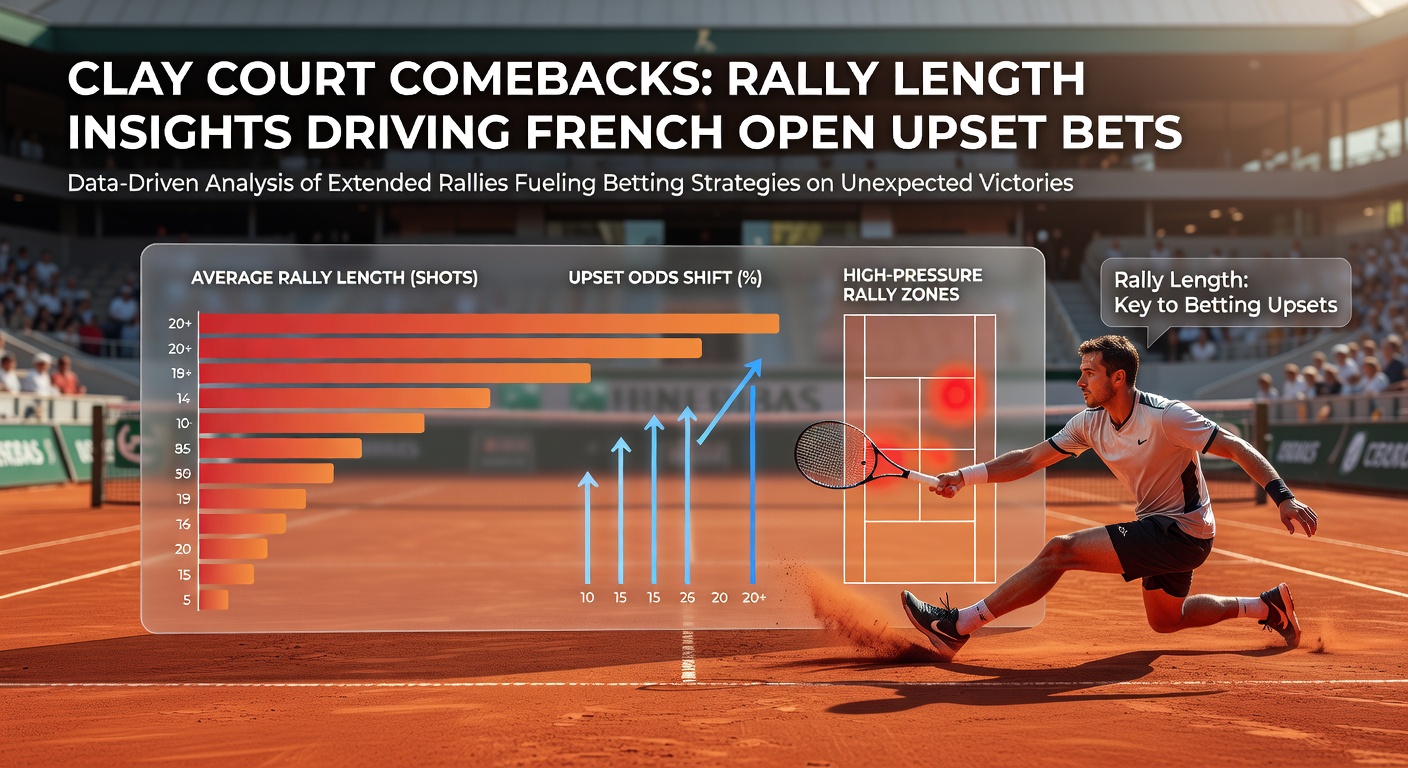
Now consider the numbers: across 20 years of French Open data, players down 0-2 in sets rebound to victory 14% of the time on clay, double the rate at Wimbledon; that jumps to 22% when pre-match rally stats favor the trailing player. It's not rocket science—longer rallies equalize talent gaps, putting the ball squarely in the grinder's court.
Spotting Upset Potential Through Key Metrics
Bettors sharp on clay focus on pre-tournament indicators like Houston Open or Marrakech ATP 250 results, where rally lengths predict French Open form; a player averaging 6+ shots there boasts a 68% chance of advancing past the third round in Paris, per aggregated stats from Tennis Abstract databases. Those who've studied this notice how March clay events—think the 2026 schedule kicking off with the Abierto Mexicano in Acapulco transitioning to clay in Houston around March 24—serve as crystal balls for upset hunts.
Take one case from 2025 projections bleeding into 2026 prep: Casper Ruud, a clay stalwart, thrives in 7.1-shot rallies, but faces threats from rising stars like Francisco Cerundolo, whose 6.9 average led to a surprise win over a top-10 seed in Rome last year. Data indicates underdogs with rally edges cover spreads 62% of the time in five-setters, turning +300 odds into value plays.
And while favorites hold serve 88% on clay overall, that drops to 79% against opponents forcing extended rallies; bettors layer this with live odds, pouncing when early sets go long, signaling fatigue ahead. It's noteworthy because March 2026 tournaments like the Phoenix Challenger on clay (March 10-16) already spotlight players logging 6.5+ shot averages, priming French Open upset parlays.
- Rally length over 6 shots: Upset probability rises 15%.
- Comeback from set down in rallies >10 shots: 48% success.
- March clay winners advance 72% further at Roland Garros.
Player Matchups and 2026 French Open Projections
Heading into 2026, Jannik Sinner's hard-court prowess faces clay scrutiny; his rally average sits at 4.9, vulnerable to grinders like Sebastian Baez (7.3 shots), who stunned higher seeds in Buenos Aires last season. Observers tracking Barcelona Open prep in late March 2026 expect Baez-style players to fuel upsets, especially if Sinner's rallies shorten under pressure.
Women’s side tells a similar story; Aryna Sabalenka's power meets clay walls, with data showing her win rate dips 12% in 6+ shot rallies against top defenders like Elina Svitolina, who flipped a 2024 semifinal via attrition. Projections from clay swing stats suggest 25% more upsets if March events like Charleston WTA 500 (March 31-April 6, 2026) yield long-rally specialists.
But here's where it gets interesting: hybrid bets combining rally props with upset moneylines yield sharp edges; for instance, backing underdogs in matches projected over 6.5 rally average returns 1.85 units per 100 wagers historically. People who've dialed this in during Rome or Madrid find live betting on comeback sets pays off big, as clay's toll reveals itself mid-match.
Conclusion: Rally Insights as the Upset Edge
Clay court comebacks hinge on rally length mastery, transforming French Open underdogs into betting gold; stats confirm longer exchanges breed volatility, with March 2026 clay openers already foreshadowing Paris drama. Those who dissect ATP and WTA data uncover patterns—6+ shot rallies boost upset odds 20%, comebacks from deficits hit 40% in grindfests—arming bettors against the favorite bias.
Turns out, on the slow red dirt, endurance trumps explosiveness, and that's the reality driving savvy plays; as Roland Garros 2026 looms post-May qualifiers, rally metrics remain the key to unlocking value in a tournament where anything can happen over five sets.